
School’s OUT.
These new CASA Advocates chose to spend summer serving the community
For most kids, summer means freedom. But summer can actually be one of the hardest seasons for young people in foster care.
The days are unstructured. They might not have access to the same supportive services they receive during the school year. And they might miss out on things like summer camp or sports leagues, even if they're low-cost or free. Because no one is there to give them a ride or even help buy a new swim suit.
How do I find a summer job? How do I make a grilled cheese if I want a snack? What should I be doing if I want to apply to college next fall?
CASA Advocates help foster kids by serving as their voice in the courtroom and making placement recommendations to judges. But they also serve as a trusted adult, answering questions like the ones above and fixing small problems that make a big difference.
That’s why we’re so excited that we’ll be swearing in four new CASA Advocates on June 30th! We spoke with two of them to learn more about why they’re volunteering.
Krista Moore decided to become a CASA Advocate after being a foster parent for 2.5 years. She made the decision to begin fostering after her four biological children graduated high school and left home.
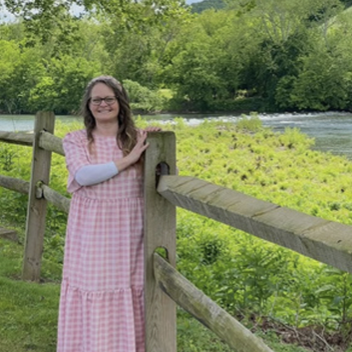
Despite running her Oak Hill-based pet grooming salon Wags N Whiskers, tending to her garden and raising various farm animals including pigs, chickens and goats, the house still felt too quiet.
“I just really didn't like that there weren’t any kids in my house,” Moore said. “So, that's why we got into foster care. We really enjoyed helping kids that needed a safe place to go while they were trying to reunify with their parents and their families.”
But then Moore adopted three children.
“So, our house got full permanently,” she said, laughing happily.
Moore wanted to keep helping in some way, even though she didn't have the space for additional foster children in her home. She knows reunification isn’t always possible. But she said it’s important for communities to invest heavily in resources and educational programs that help parents overcome generational trauma so they can take better care of their children.
“A large number of child removals are tied to generational things. Their parents raise them a certain way. They're now raising their children a certain way, and there needs to be more oversight of and resources for those families to help them get to the place they need to be to keep their children.”
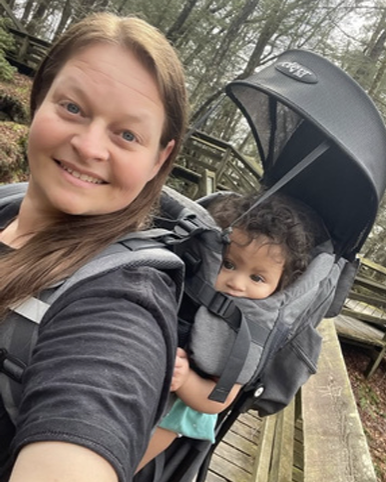
Research shows that CASA Advocates often play a critical role in connecting parents with safe and permanent housing, plus other supportive services that can make reunification more likely. Children with CASA Advocates are also less likely to re-enter the foster care system and more likely to find permanent, loving homes.
“If you think about it, kids that have been placed in the system, have often lost a lot of trust in the adults that have been in their life up to that point,” Moore said. “But then they get a CASA Advocate who walks into their life, and it's a fresh person and a fresh start.”
Antonia James decided to become a CASA Advocate to gain professional experience and help someone at the same time. He already has a legal assistant diploma, and he’s currently working on his paralegal associates degree with plans to attend law school in the future.

“It’s legal-adjacent, and I would also have the ability to quite possibly change the trajectory of someone's entire life. It's kind of perfectly aligned with where I am in my life,” James said.
Although James lives in Mason County, close to the Ohio border, he works in Charleston as an administrative assistant at Abundant Life Ministries. And after years spent traveling for work, he’s comfortable hitting the road and heading south to the Beckley area for something so important.
“Even just the initial removal of a child from home in the first place is so traumatic,” James said. “It's hard for me to imagine how I would feel in a situation like that, where I've just been taken away from my mom, I’m staying with people I don't know, and I don’t know when I'm going to see my mom again.”
Completing CASA training made James want to help as many children as possible.
“I look at it as kind of a prestigious position, even though I'm just volunteering,” James said. “Because it's something really, really important, and it's going to make a difference in someone's life, like, a tremendous difference.”